How Long Can an Elderly Person Lie After a Fall?
 Brandon Ro·
Published · Updated
There is no safe time for an elderly person to lie on the floor after a fall if they cannot get up safely. Call 911 if they cannot get up, may be seriously injured, are unresponsive or aren't breathing normally. See the National Institute on Aging's fall advice and NIH first aid.
Researchers call an hour or more on the floor after a fall a long lie. Call for help as soon as you know your parent is stuck. See the BMJ study on long lies.
When to call 911 after a fall
Check whether your parent responds when you speak and whether they are breathing normally. If they are awake, ask what happened and where it hurts. If you find them on the floor, they may be unsure how they got there. Call 911 in Canada or the US in any of these situations. See NIH first-aid guidance, the National Institute on Aging's fall guidance and the CDC's head injury danger signs.
- They are unresponsive or their breathing is abnormal. Put the phone on speaker. Follow the dispatcher's instructions, including for CPR if needed. See NIH guidance on adult CPR.
- They may have a serious injury. Call if you suspect a broken hip, a neck or back injury, or if they have severe bleeding. Keep them still and follow the dispatcher's instructions. See NIH first aid for broken bones and severe bleeding.
- They cannot get up safely. If they cannot support themselves or trying causes pain, stop and tell the dispatcher what you see.
- They have danger signs after a possible head injury. Watch for a worsening headache that won't go away, repeated vomiting, slurred speech or new confusion. A seizure, passing out or trouble waking are also danger signs. Call even if they got up after the fall. See the CDC's adult concussion danger signs.
While help is coming
- Stay with them and keep them warm. Reassure them and put a coat or blanket over them. Follow the Public Health Agency of Canada's guidance for witnesses.
- Leave them where they are if you suspect a head, neck or back injury. Move them only if the area is unsafe or the dispatcher tells you to. See NIH guidance on suspected fractures.
- Give responders both times if the fall time is unknown. Tell them when someone last spoke with your parent and when you found them. Say which time is an estimate.
Why time on the floor matters
A UK study followed 110 people aged 91 to 105 for a year. During that year, 66 people fell. Of those 66, 20 spent at least an hour on the floor after at least one fall. The study included people living at home and in care settings.
A fall can cause an injury on impact. A long time on the floor can lead to other problems, even if your parent manages to stand before you arrive. See the BMJ study on time on the floor and a hospital study of long-lie complications.
- Getting cold. Lying still on a cold floor can lower body temperature.
- Dehydration. Someone who cannot reach a drink can become dehydrated.
- Skin and muscle injury. Pressure from lying in one position can damage the skin and muscles. Severe muscle damage can harm the kidneys.
How to help an older parent get up safely
Try this only if your parent is fully awake, appears unhurt and feels able to get up using their own strength. Your part is to bring a sturdy chair and stay nearby. Avoid pulling them up by the arms or trying to carry their weight. If they feel dizzy, develop pain or cannot do a step, stop and get help. These steps follow Public Health Agency of Canada guidance and the National Institute on Aging's chair method.
- Pause on the floor. Let your parent catch their breath and check for pain before moving. Bring a stable chair that cannot roll or slide.
- Have them roll onto their side. Let them rest there before slowly pushing up onto their hands and knees.
- Bring the chair within reach. Ask them to put both hands on the seat while kneeling.
- Have them plant one foot. They can bring their stronger leg forward and put that foot flat on the floor. The other knee stays down.
- Let them rise and sit. With their hands on the chair, they can push up slowly, then turn and sit. Give them time to rest before they try to walk.
Does your parent have trouble getting down to the floor or up from a low seat? Ask a physical therapist to show them a way to get up that fits their strength and mobility. The CDC's fall risk assessment includes checking strength and balance and referring people to physical therapy when needed.
What if your parent falls when they are alone?
Go over this plan with your parent in their own home. Ask where they usually leave their phone at night. A phone charging across the room may be out of reach from the floor. The Public Health Agency of Canada's fall advice covers getting help when alone and sharing an emergency plan with family and neighbours.
- With a phone in reach. If they are hurt or unable to get up, call 911. Give their address and say where they are in the home. See the National Institute on Aging's advice.
- With no phone in reach. Call out or use an object within reach to make noise if someone may hear. If they suspect a serious injury, they should stay still while calling for help. See Canada's advice on getting help and NIH advice on suspected fractures.
- While waiting. If a blanket or coat is in reach, use it to stay warm. The Canadian fall guidance advises staying warm while help is on the way.
For a household where one person lives alone, pick a contact who can get to the door. Agree with your parent on who can hold a spare key and when to use it. Our guide to checking in with a parent from a distance helps you set up regular calls and a backup.
What to do if you hear about a fall from far away
- Call your parent if you can reach them. Ask where they are, whether they are still on the floor and what hurts. If they are injured or stuck on the floor, have someone with them call 911. If nobody is there to call, call yourself.
- Give the address where help is needed. If you are in a different city, start with your parent's address and tell the dispatcher you are calling from elsewhere. Give the unit number and any details that will help responders get inside.
- Use your local backup. If your parent reported a fall and you lose contact, get emergency help. If all you know is that they missed a routine call, ask the agreed neighbour or relative to check in person. Call 911 if you have reason to think they are hurt or in danger.
Write down the time you last spoke and who is heading to the home. If siblings are responding from different places, have one person stay on the phone and another contact the local helper. For how to decide if a fall needs emergency help, see the National Institute on Aging's fall guidance.
What to watch for after your parent is up
Tell their healthcare provider about the fall even if your parent feels well enough to walk. Some symptoms appear later. If they spent a long time on the floor, seek medical advice promptly even if they got up before you arrived. After a possible head injury, seek medical advice promptly and tell the clinician if your parent takes a blood thinner. If they develop emergency warning signs such as repeated vomiting or trouble waking, call 911. See Canada's advice on when to see a doctor and the CDC's head injury guidance for older adults.
What to tell their healthcare provider
Write down what you know so your parent can share it at the appointment. The CDC's fall risk assessment includes fall history and a medication review.
- What happened. Note what they were doing before they fell, where they landed and how long they may have been down.
- What changed. Note any dizziness or weakness before the fall. Write down any pain, headache or changes in walking they notice later.
- What else the clinician should know. Bring their medication list and mention recent changes. Include any earlier falls, even ones where they got up on their own.
What to look at together at home
If your parent has fallen more than once, see our guide to signs an older parent may need more help at home. Our guide to falls among older adults has more on repeat falls.
- Look at the route where it happened. A light within reach of the bed and a clear path to the bathroom can help. Check the CDC's home fall prevention checklist.
- Ask how they feel about moving around. Bring up any new fear of falling with their provider. The Public Health Agency of Canada explains how that fear can affect day-to-day activity.
How families find out when a parent falls
Think through two situations with your parent. Who would know if they fell in the bedroom at night? Who would know if they fell in the bathroom while home alone? You can use more than one way to find out.
How we compared. We used Canadian fall guidance and Silvie's app documentation. We looked at who starts the contact, who can respond and what each choice asks of your parent.
| Way to find out | Best for | What to plan for |
|---|---|---|
| Silvie app alert | A parent who prefers camera-free fall detection with nothing to wear. | Choose which invited family member responds. Check room coverage and what a Silvie alert can tell you. |
| A phone your parent can reach | A parent who wants to choose whom to call and can use the phone themselves. | It needs to be within reach from the floor. |
| A scheduled call or visit | A family that wants regular contact and can arrange a local backup. | Agree who will go to the door after an unanswered call and what happens between visits. |
The two check-in options follow the Public Health Agency of Canada's advice on phones, regular calls and spare keys. Read how fall detection works without a wearable if your parent prefers nothing to put on. You can also read what an automatic fall alert can tell you.
Make a plan with your parent before the next fall
Start by asking your parent who they'd want to hear from and who they'd trust with a spare key. Make a short plan together and give a copy to everyone who agrees to help. See the Public Health Agency of Canada's advice on staying in touch.
- Pick a first contact and a backup. Decide who usually calls and who can take over when that person is at work or away. Share who has taken over so nobody assumes someone else is handling it.
- Write down how to get in. Save the street address and unit number where each contact can find them. Agree on who can meet responders or let them into the building.
- Talk through an unanswered call. If a regular check-in goes unanswered, know who can knock on the door. If you know your parent fell and is stuck, follow the steps for emergency help.
What you need
Silvie, the no-camera home safety sensor for older adults, is made by a Canadian company. Its radar sensor is mounted in the corner of a bedroom or bathroom. It captures no images, video or sound. Each sensor covers the room where it is installed. It does not cover outdoor falls.
- Push alert. When the sensor detects a fall, the Silvie app sends a push notification to invited family members. Silvie does not call 911. Decide who will check on your parent and call for help if needed.
- Check in. Call your parent or ask someone to check in person to find out whether they need help.
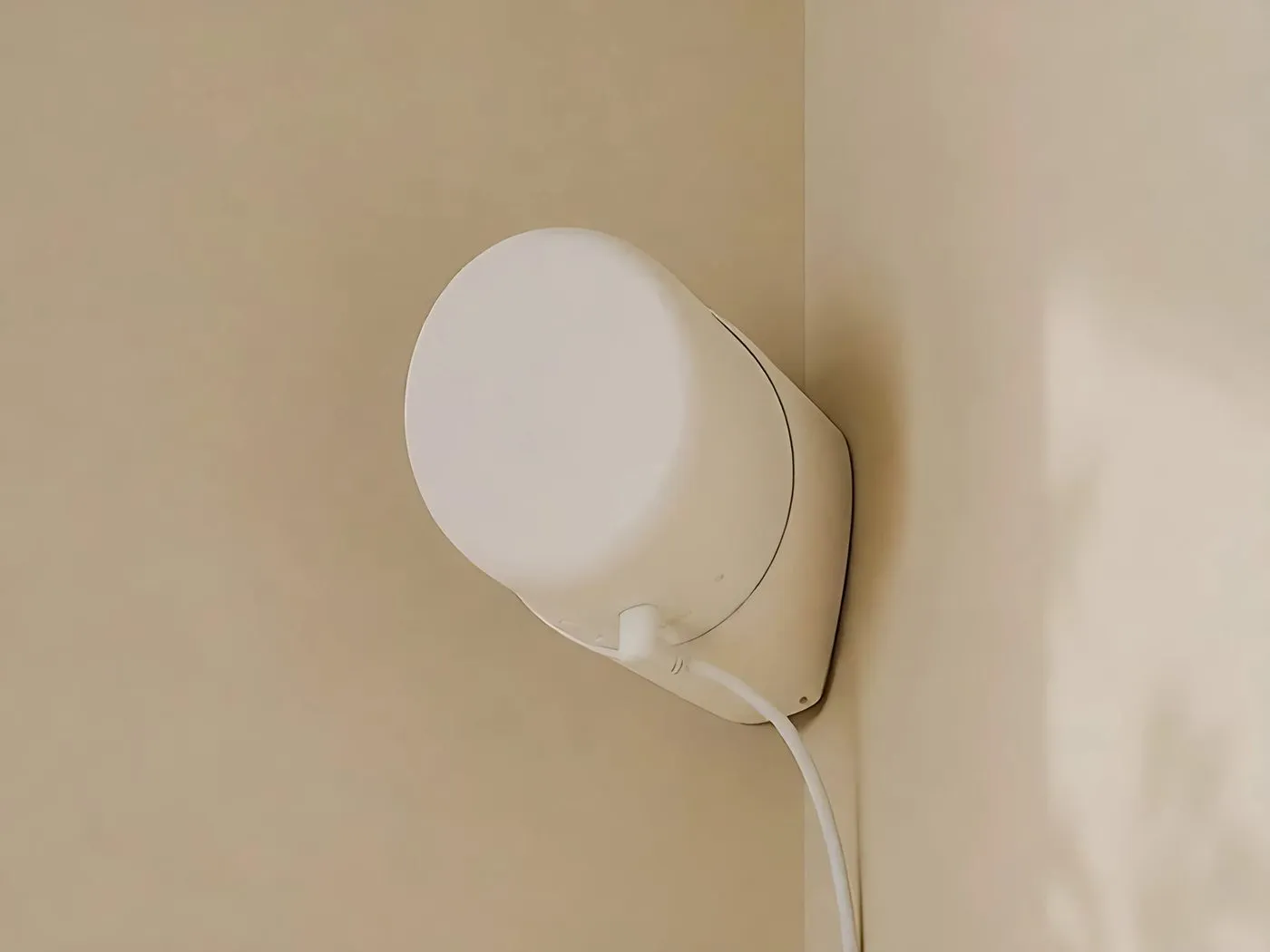
Read how fall detection works without a camera for more on what camera-free sensors can show. Our guide to radar and camera fall detection explains what each approach captures.
Common questions
How long can an elderly person lie on the floor after a fall?
Call 911 if they cannot get up safely or may be seriously injured. There is no safe wait in those cases. Researchers often count an hour or more on the floor as a long lie. See the National Institute on Aging's advice and the BMJ long-lie study.
Should I call 911 if my parent fell but says they are fine?
Call 911 if they cannot get up safely or you suspect a serious injury. Also call for repeated vomiting or new confusion after a possible head injury. If they are up and feel well, tell their healthcare provider about the fall. See Canada's advice after a fall and the CDC's danger signs.
How do you get an elderly person off the floor without lifting them?
If they are alert, appear unhurt and feel able to get up on their own, bring a sturdy chair. Let them work their way onto their hands and knees, use the chair for support, then rise and sit. Stop if there is pain or they cannot manage a step. See the National Institute on Aging's steps.
Why is lying on the floor for hours dangerous?
A prolonged time on the floor can lead to low body temperature, dehydration and damage to skin or muscle. Tell responders how long your parent might have been down. See the BMJ study on time on the floor and research on long-lie complications.
What if I don't know how long my parent was on the floor?
Call 911 if they cannot get up safely or may be seriously injured. Tell the dispatcher when you found your parent and when someone last spoke with them. See the National Institute on Aging's fall advice.
What if my parent hit their head when they fell?
Get medical advice promptly, especially if they take a blood thinner. Call 911 for danger signs such as a worsening headache that won't go away, repeated vomiting, new confusion or trouble waking. See the CDC's advice for older adults and its head injury danger signs.
Who gets a Silvie fall alert?
Family members invited to the home in the Silvie app receive a push notification if the sensor detects a fall. They can open the alert to see which room it came from. Silvie does not call 911.
Brandon Ro wrote this guide for Silvie. We checked sources on Nov 18, 2026. The fall advice draws on public health guidance and the linked studies. The Silvie sections use the company's app documentation.