
Guide
When a parent lives alone overnight
 Silvie Team·5 min read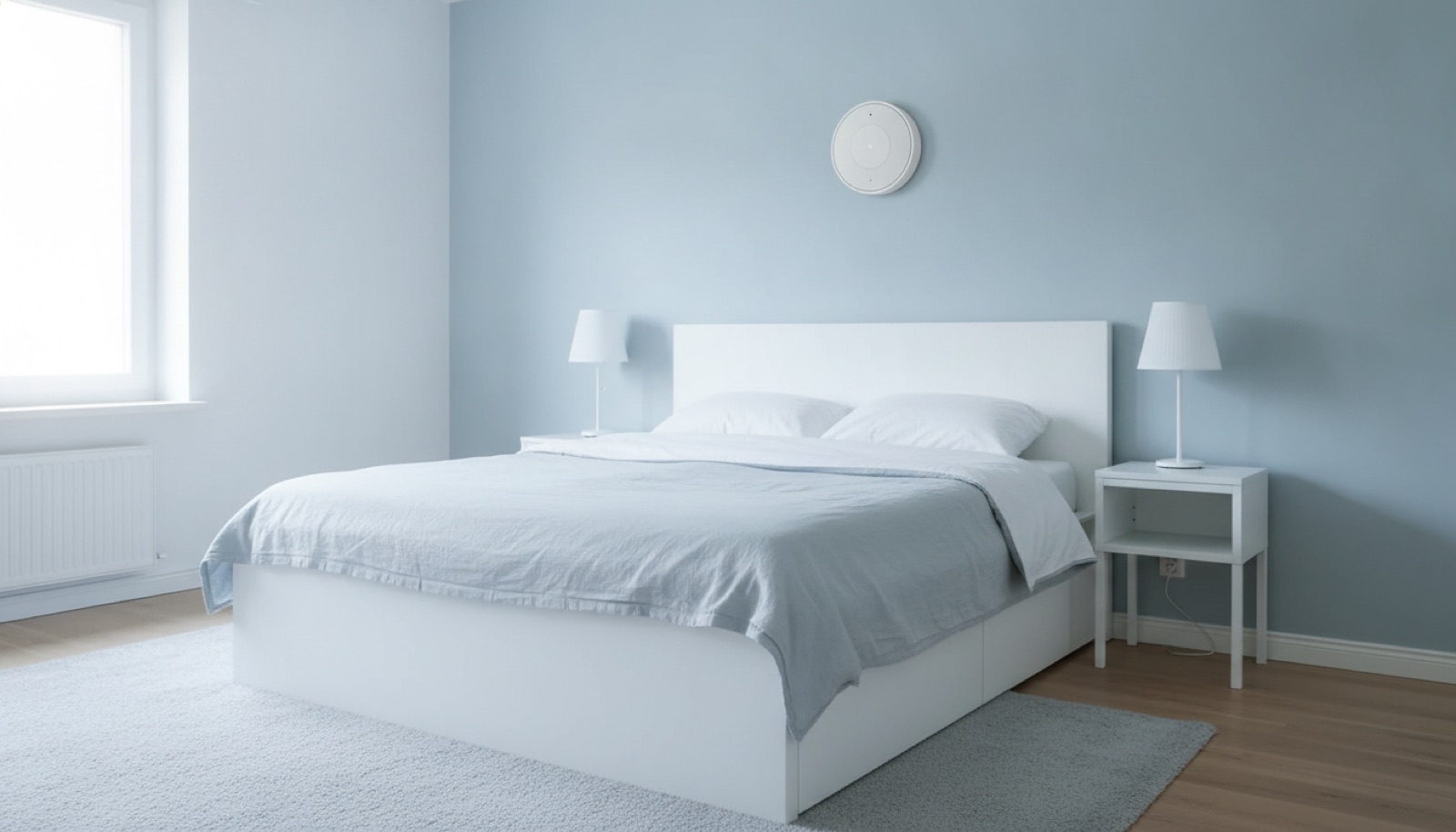
During the day, your parent is usually fine. They are up, moving around, maybe on the phone with you or out. What worries many families is the night.
Why nights are harder
A common fall happens at night, on the way to the bathroom. Your parent gets out of bed half-asleep and walks in the dark. It is a short trip, and they make it most nights.
At night, there is also no one around. During the day, someone might call or stop by. At 3am, no one does. If your parent falls and cannot get up, nobody may find out until the morning.

What families try, and where each falls short
- Calling every morning. It tells you they got through the night, but only the next morning. It tells you nothing at 3am. And it only works if they answer.
- A baby monitor or an old tablet on a video call. It has to be pointed at the bed and kept charged. And a live camera in a parent's bedroom is something many parents refuse.
- A pendant or a button. It only helps if your parent wears it to bed and can press it after a fall. Often it comes off before sleep and stays next to the bed.
- A smartwatch. Same problem. It also needs charging, usually at night, when you need it most.
Each of these needs your parent to do something: wear it, charge it, press it or answer it. At night, you want something that needs nothing from them.
The goal is to know if your parent falls at night, without asking them to wear, charge or press anything.
How Silvie covers the overnight hours
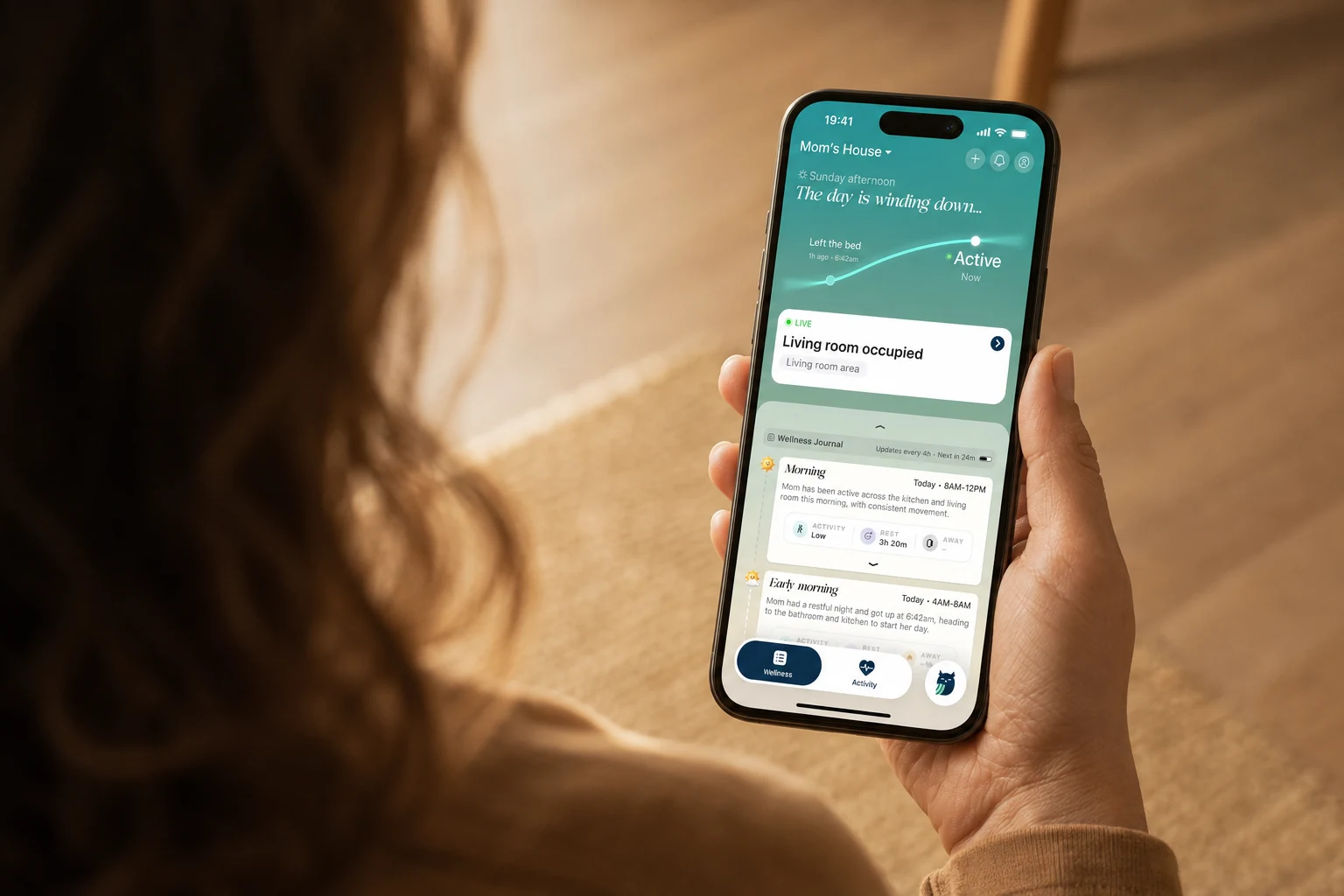
Silvie is a small sensor on the bedroom wall. It uses radar, not a camera. It detects when your parent gets into bed, when they get up, and when they fall. If it detects a fall, you get an alert in the Silvie app. You can also see their breathing rate while they sleep. Your parent has nothing to wear, charge or remember at bedtime.
If Silvie detects a fall in the night, it sends an alert to your phone. On ordinary nights, you can see in the app that they went to bed and got up again.
More than a fall alarm
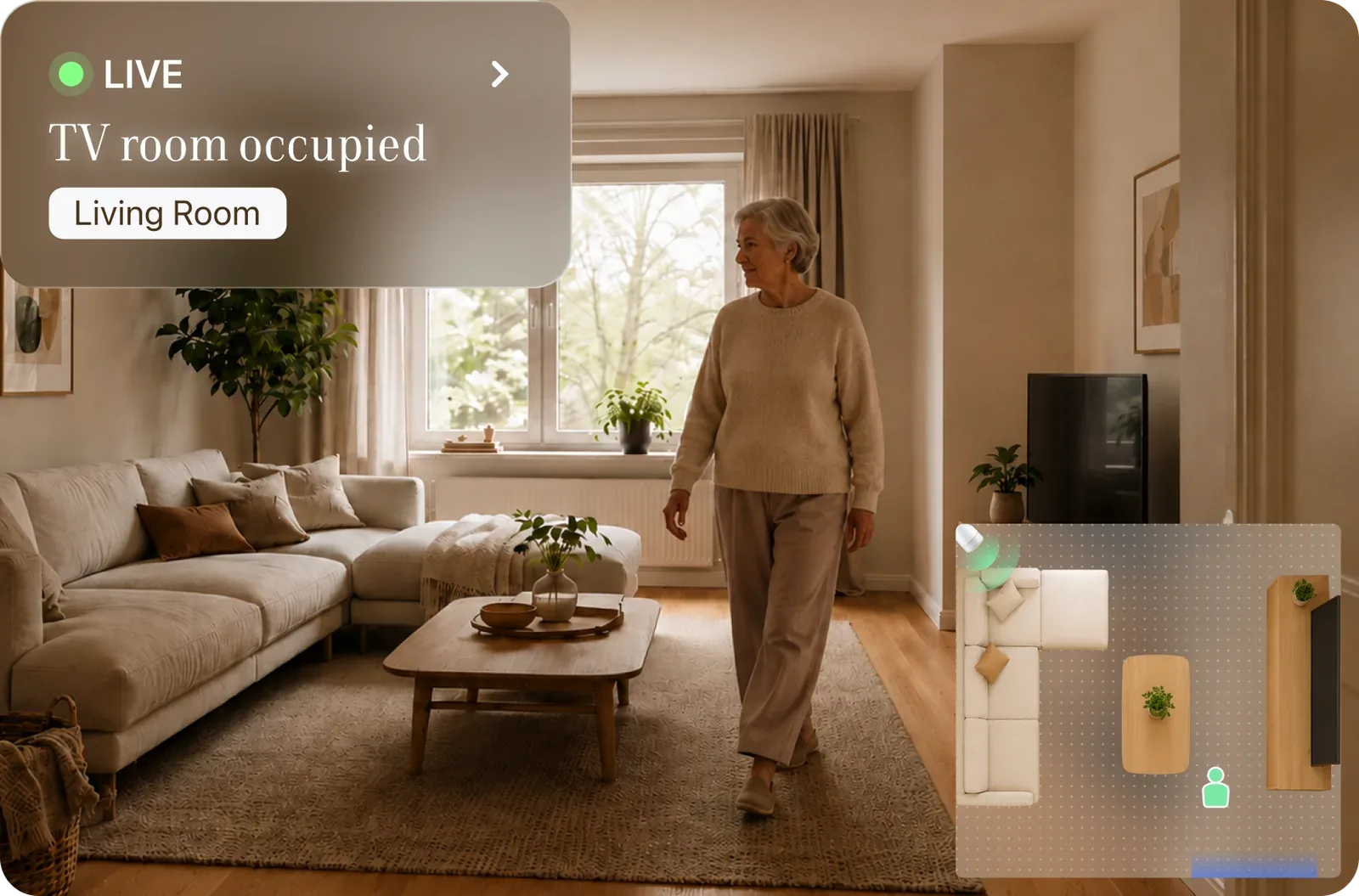
A daily view of whether your parent is up and moving.
Fall detection without a camera
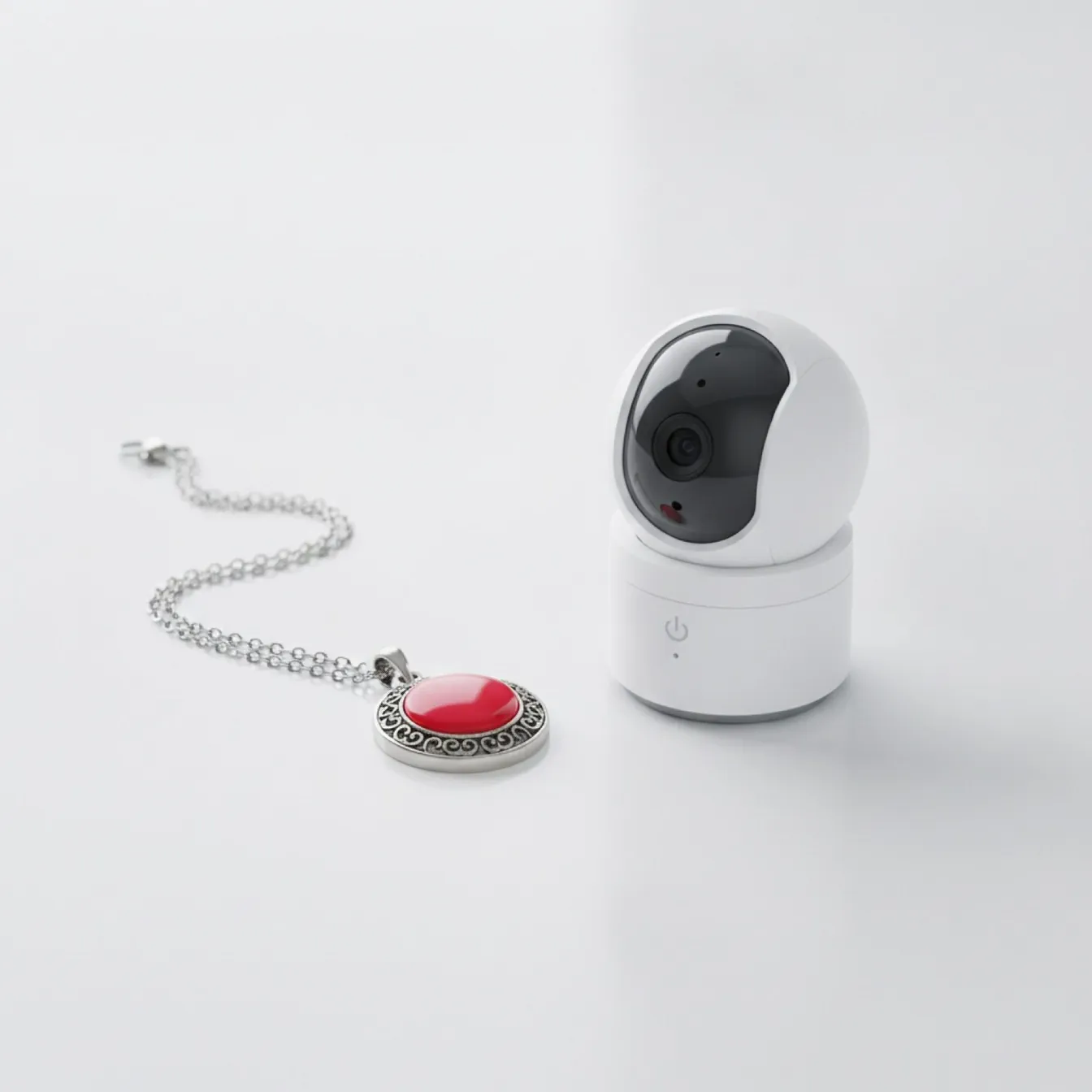
How radar catches a fall with nothing to wear, and where pendants and watches fall short.
What is fall detection, and how does it work?
Pendants, wearables, cameras, and radar, how each detects a fall, what happens after one, and how to choose.
How to monitor an elderly parent remotely
Every way to stay aware from a distance, from daily calls to radar, and the privacy trade-off each one makes.
See how Silvie works
Contactless radar that detects falls and monitors daily activity. No cameras, no wearables, nothing to charge.
Explore Silvie