
Guide
The pendant your parent won't wear
 Silvie Team·5 min read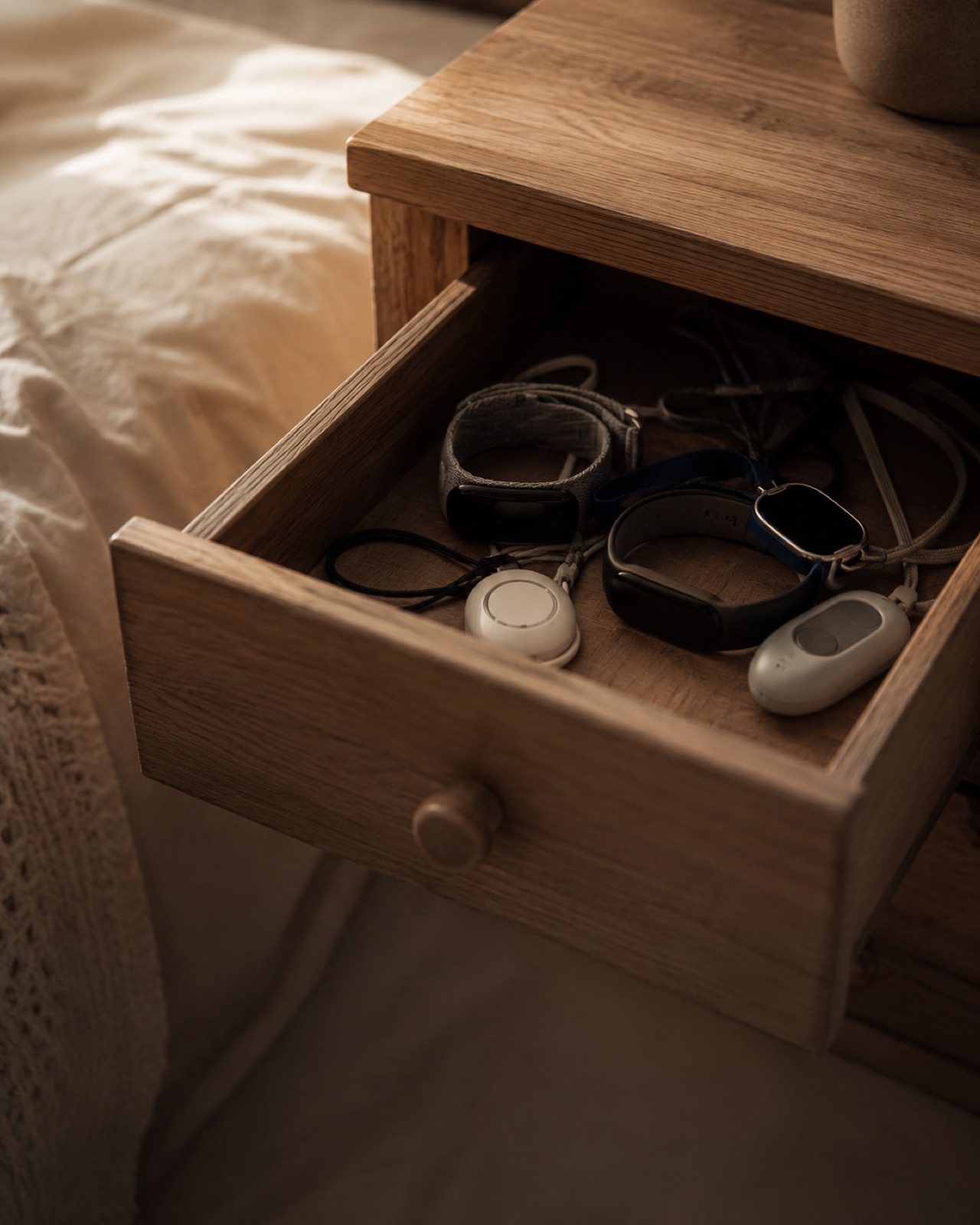
Most families start with a medical-alert pendant. It is a button worn on a cord around the neck, or on a bracelet. Your parent presses it to call for help. It is affordable and familiar.
But it often ends up in a drawer or next to the bed. Or it sits on the bathroom counter while your parent showers. The pendant works only when your parent wears it, and often they do not.
Your parent is not being careless. A device that has to be worn, charged and pressed will sometimes be off, flat or out of reach.
Why it comes off
- It feels like a label. Wearing an alarm button all day reminds people they are frail. Some take it off for that reason and do not say so.
- It's uncomfortable or in the way. People take it off to shower, sleep and get dressed. Falls happen at those times too.
- It has to be charged. Watches are easier to keep on, but they need charging, usually at night. That is when you most need them on.
- It has to be pressed. After a bad fall, your parent may be unconscious, confused or unable to reach the button.
A wearable only helps if your parent has it on, it is charged, and they can press it. At night, that is least likely.

When a pendant or watch makes sense
Pendants and alert watches are not useless. A GPS alert device is useful for a parent who goes out a lot. It goes with them and can call for help outside the home.
The problem is at home, and most of all at night. That is when a wearable is most likely to be off, flat or out of reach.
An option with nothing to wear
Silvie does not need your parent to wear anything. It is a small sensor on the wall that uses radar to detect falls. It also shows you their daily routine, like when they get up and go to bed. There is nothing to put on, nothing to charge and no button to press.

How to talk to a parent who refuses help
The resistance is almost never about the technology. What it's really about.
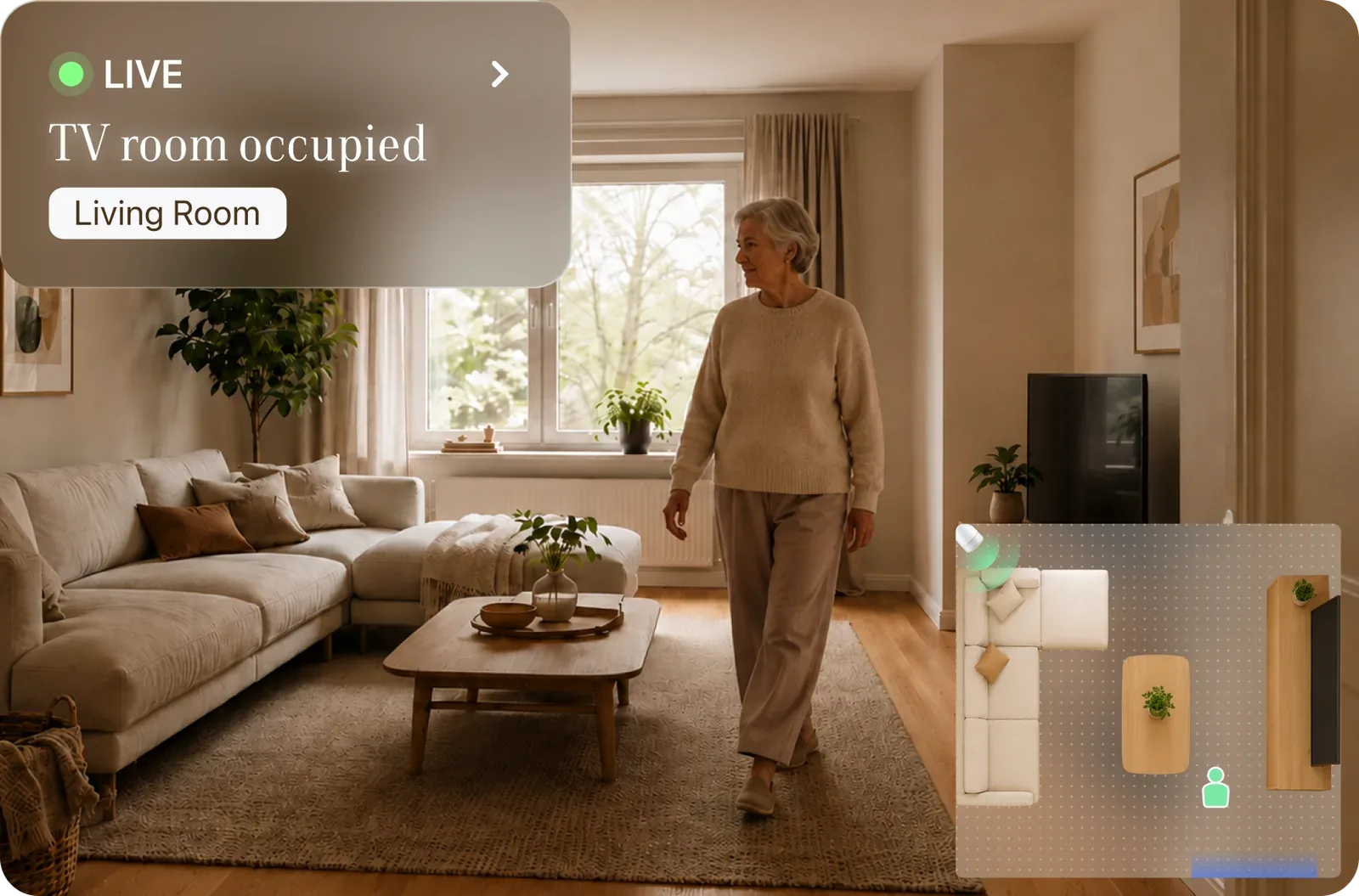
More than a fall alarm
A daily view of whether your parent is up and moving.

What is fall detection, and how does it work?
Pendants, wearables, cameras, and radar, how each detects a fall, what happens after one, and how to choose.

Aging in place technology: a family's guide
The four main options and their trade-offs, in one page.
See how Silvie works
Contactless radar that detects falls and monitors daily activity. Nothing to wear, charge, or press.
Explore Silvie