
Guide
Medical alert watch or home sensor?
 Silvie Team·5 min read
Most families choose between two kinds of product. One is a wearable alert, like a pendant or a GPS watch. The other is a small sensor on the wall at home. They do different jobs, so start with the problem you need to solve.
What each is actually good at
- A medical alert watch is best outside the home. If your parent drives, walks or goes out a lot, a GPS watch can call for help wherever they are. For a parent who is out often, that is worth having.
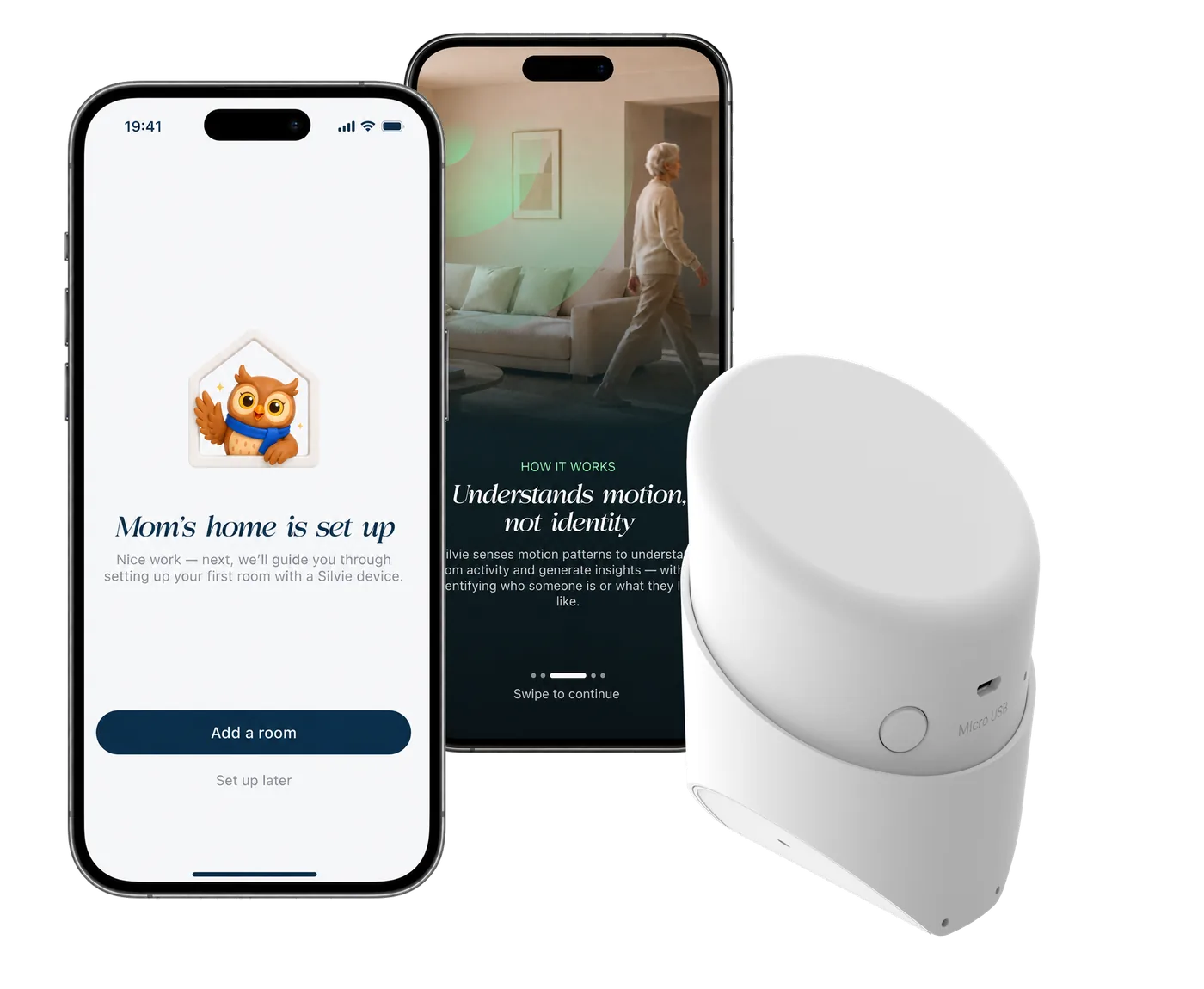
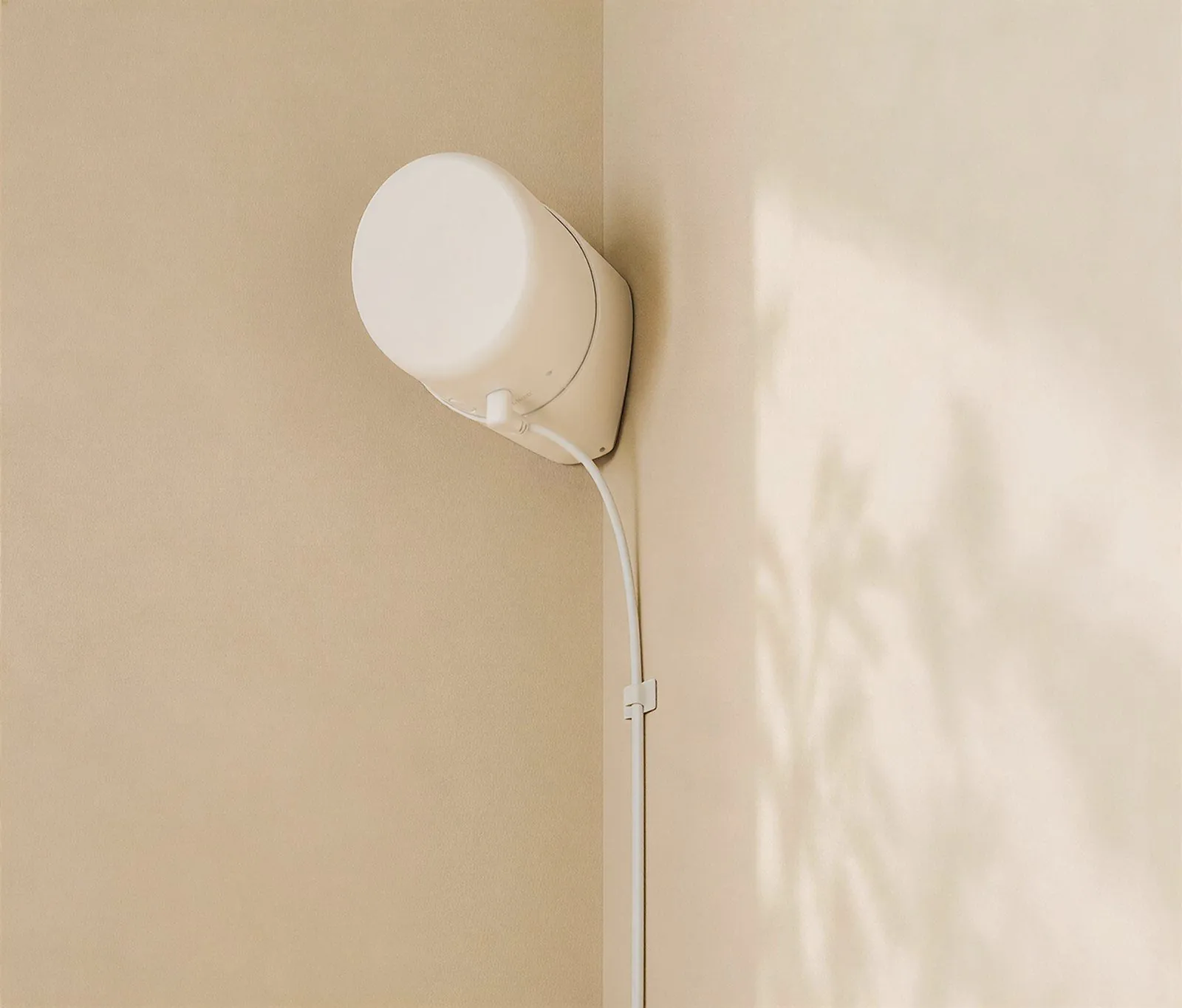
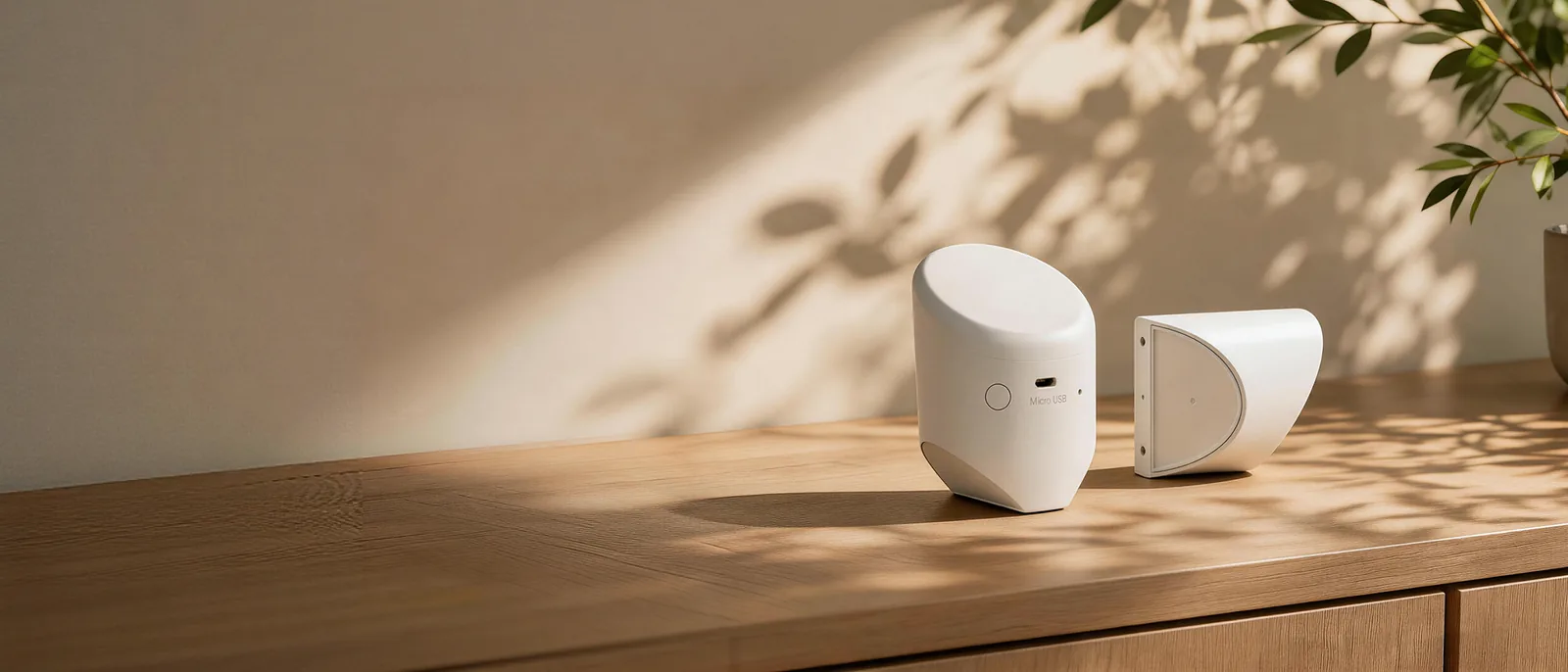
- A home sensor is best inside the home and at night. There is nothing to wear or charge, so it keeps working in the rooms where it is installed, like the bedroom, overnight, when a wearable is often off or on the nightstand. It sends alerts to your family's phones. It does not call 911.
Ask yourself: is the risk mostly outside the home, or mostly at home and at night? The answer tells you which one to start with.
Why many families run both
You do not have to pick just one. An active parent might wear an alert watch outside and have a sensor in the rooms where they spend the night. If your parent already has a watch, you can add a sensor for the home. For a parent who is mostly at home, start with the sensor.
The pendant your parent won't wear
The button that ends up in a drawer.

When a parent lives alone overnight
The hours you can't cover are the riskiest.

What is fall detection, and how does it work?
Pendants, wearables, cameras, and radar, how each detects a fall, what happens after one, and how to choose.
Radar vs camera for senior monitoring
The two technologies side by side, and where each belongs.
See how Silvie works
Contactless radar that detects falls and monitors daily activity. No cameras, no wearables.
Explore Silvie