
Guide
Is my parent being watched?
 Silvie Team·5 min read
Before any device goes into a parent's home, families ask one question first: is this watching them? For you, it's about trust. For your parent, it's about dignity, and whether their bedroom and bathroom are still private. If the answer is yes, most parents will say no.
So it's worth answering plainly, because not all "monitoring" is the same thing.
The question behind the question
When a parent objects, they are usually picturing a camera. Someone could see them undressed or unwell. That fear is reasonable. Most people would refuse a camera in the bedroom or bathroom, and they should be able to.
But not every safety device uses a camera. Some don't use a camera at all.
What a camera captures
- A recognizable image of your parent
- What they're wearing, or not
- Faces of visitors and family
- A feed someone could watch live
- Footage that can be stored or leaked
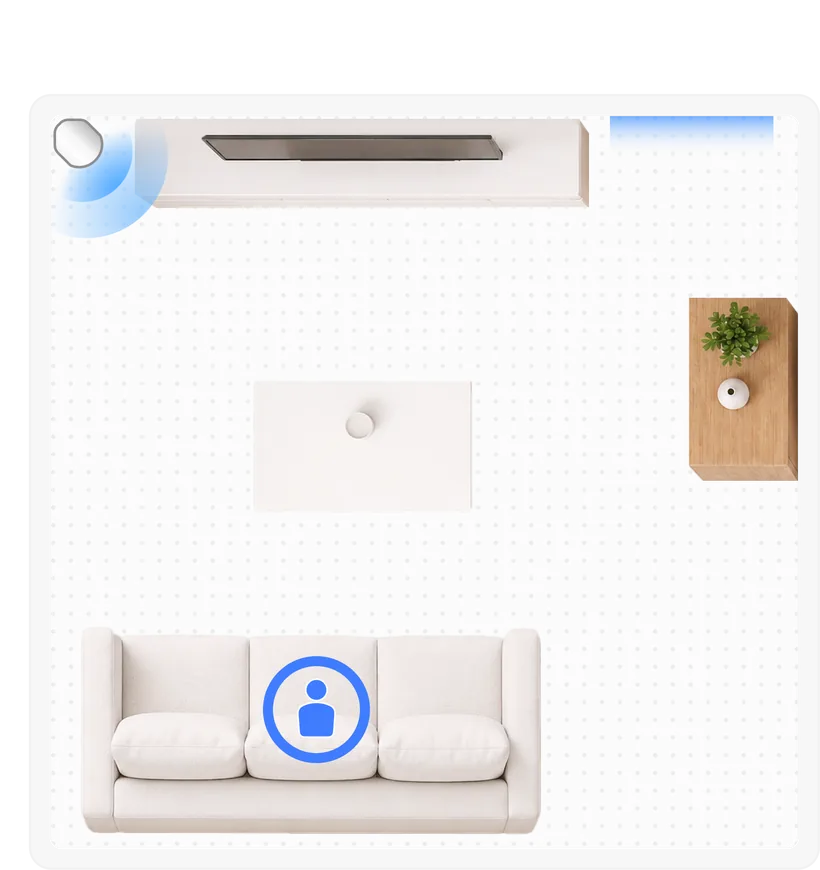
What Silvie detects
- That someone is present in the room
- Movement, stillness, and breathing rate during sleep
- A fall, or a body on the floor
- Daily routine: up, resting, active
- No image. No audio. Nothing to watch.
Radar detects motion. It does not use light or make pictures. It can tell that a person is lying down or got up, and it is designed to detect a fall. No system detects every fall. It cannot tell you what they look like, what they're doing, or who they are. There is no picture to see, because none is ever captured.
No one can see your parent. The sensor detects movement. It records no images or sound.
Why this matters to parents
Families tell us many parents relax once they understand there's no camera. Once they know no one can watch them, a small sensor that alerts family to a fall is easier to accept. Some parents stop thinking about it at all.
Silvie was built to help keep your parent safe without a camera. Nothing in the home is filmed. You still get an alert in the app if the sensor detects a fall.
You can tell your parent: "There is no camera and no microphone. No one can see you."
What you can tell your parent, truthfully
No cameras. No microphones. No image or recording of them exists. Family sees a moving dot for room activity, daily activity, and fall alerts. You can also see their breathing rate while they sleep in the Silvie app.

How to talk to a parent who refuses help
The resistance is almost never about the technology. What it's really about.
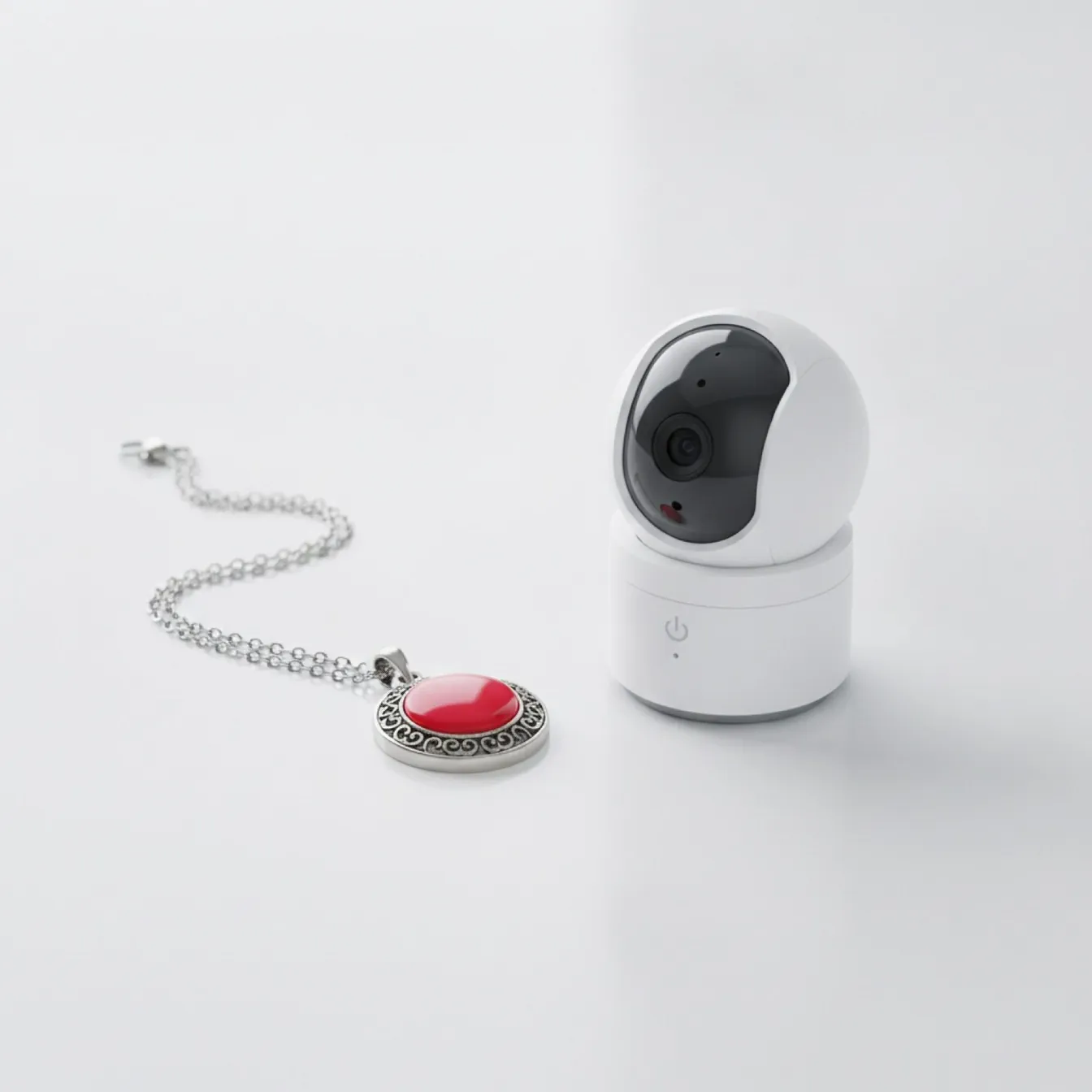
Fall detection without a camera
How radar catches a fall with nothing to wear, and where pendants and watches fall short.
See how Silvie works
A small sensor on the wall that detects falls and shows daily activity. No cameras, no microphones, no wearables.
Explore Silvie