
Guide
Caring for a parent from far away
 Silvie Team·6 min read
When you live a flight away from an aging parent, the hardest part is not knowing how they are. You hang up the phone. Then you have no idea how their day or night will go.
What families try from far away
- Scheduled calls. A call helps for a minute. If your parent misses a call, you assume the worst.
- A neighbor or a nearby sibling. They help a lot. But they can't check in at 3am every night. And most of the work falls on whoever lives closest.
- Cameras. A camera shows you the house. Many parents refuse one, and that is fair.
From far away, small worries feel big. Many families do not want live video. They want to know that today is a normal day.
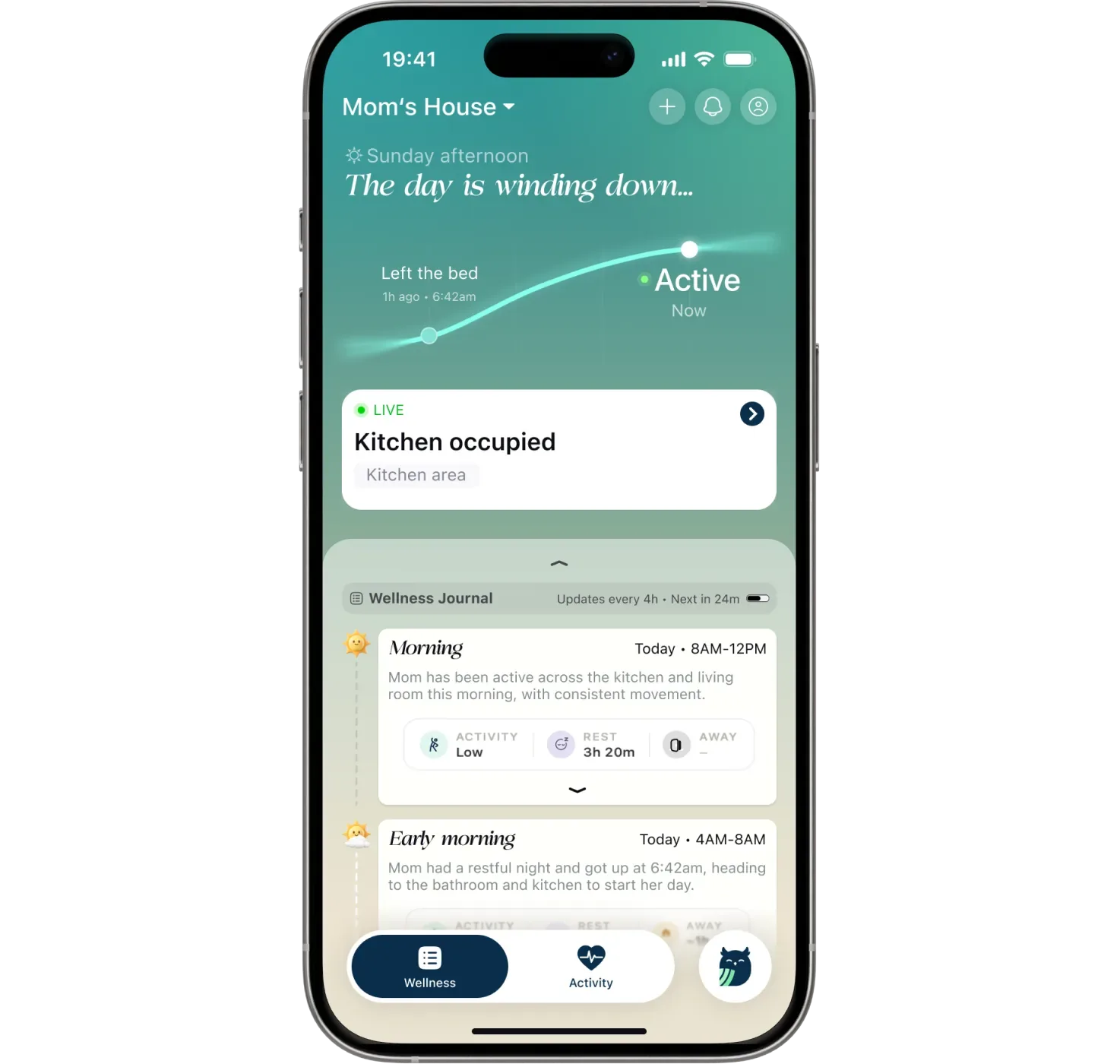
How Silvie helps from far away
Silvie is a small sensor on the wall. It shows you when your parent is up and moving. If it detects a fall, you get an alert in the Silvie app. It does not detect every fall, and it does not replace visiting. Your parent has nothing to wear or do, and there is no camera in their home.

When a parent lives alone overnight
The hours you can't cover are the riskiest.
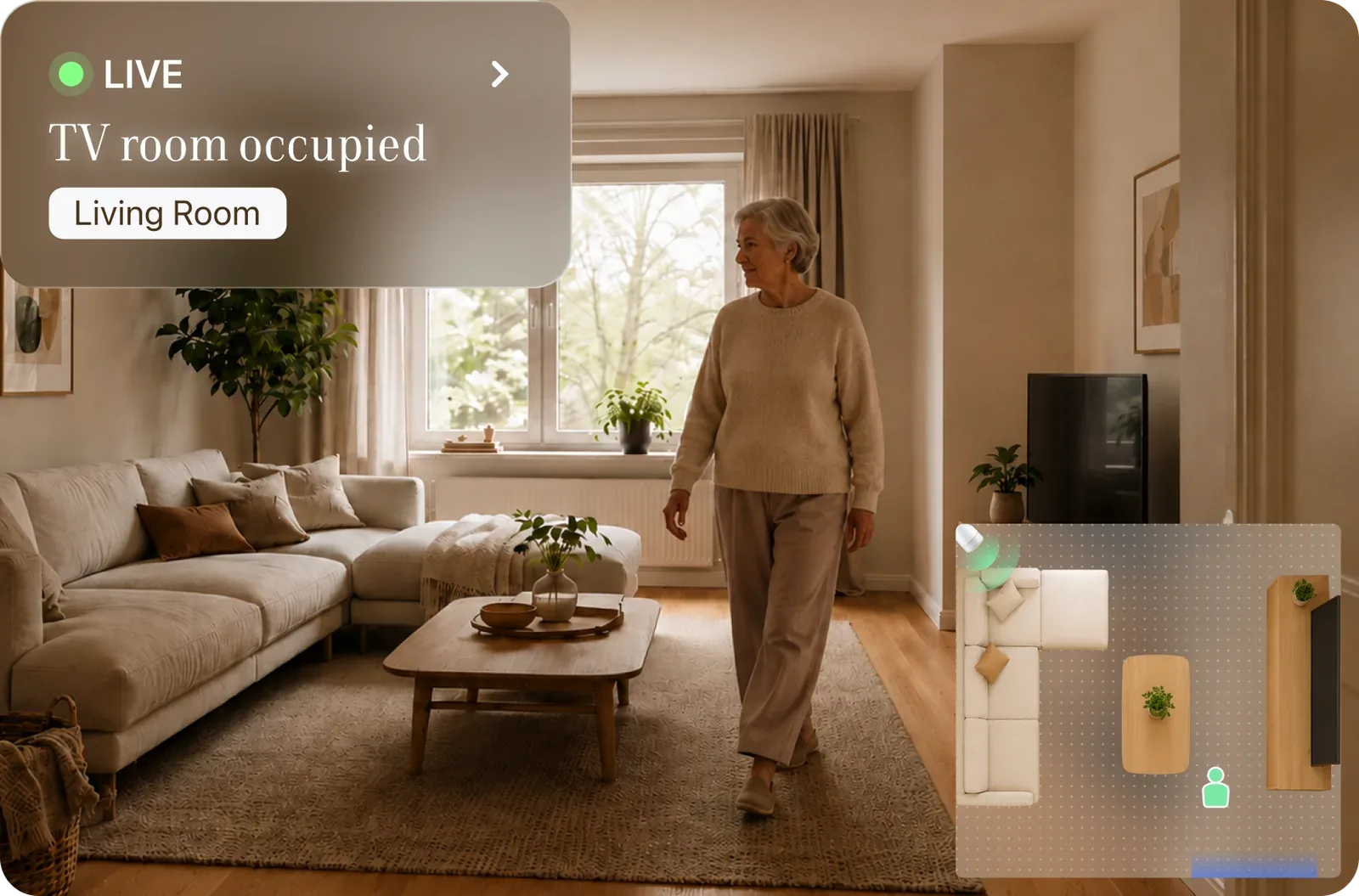
More than a fall alarm
A daily view of whether your parent is up and moving.
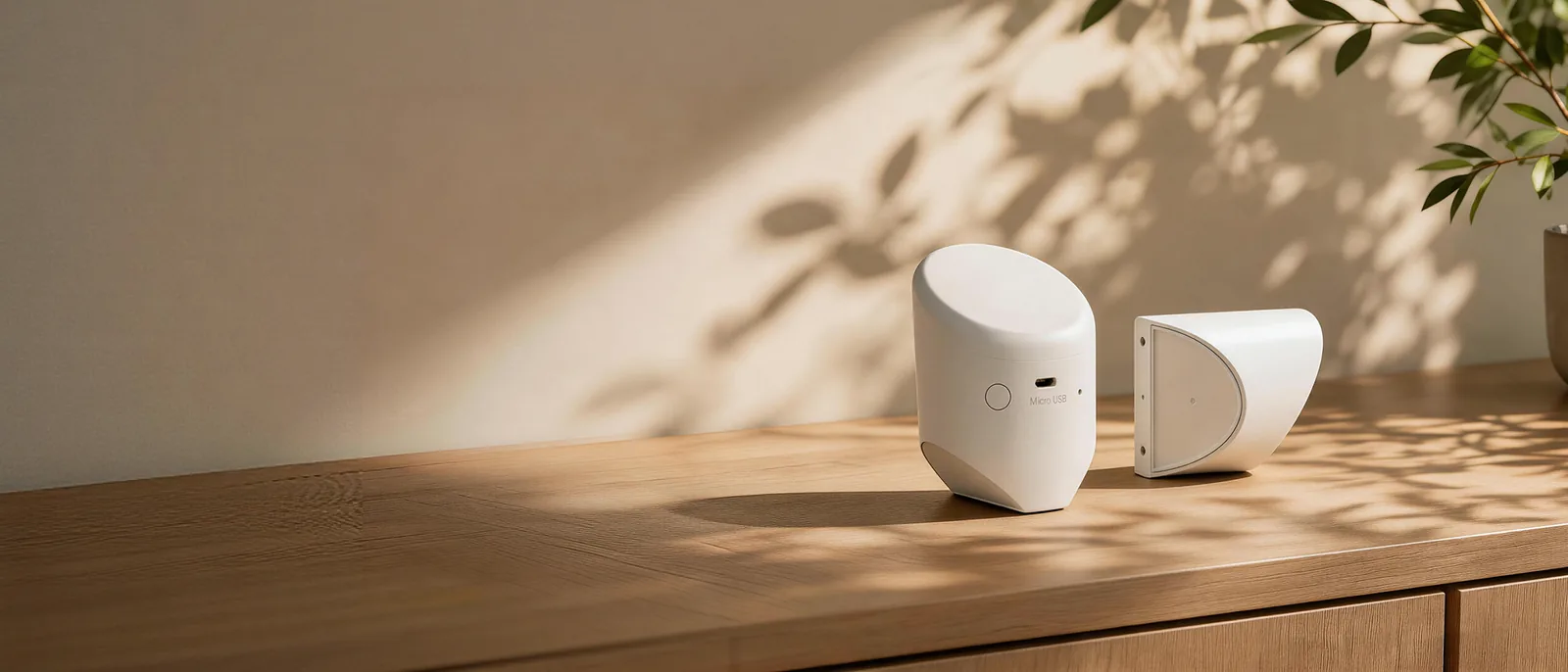
Radar vs camera for senior monitoring
The two technologies side by side, and where each belongs.

Aging in place technology: a family's guide
The four main options and their trade-offs, in one page.
See how Silvie works
A small sensor on the wall that detects falls and shows the daily routine. No camera, nothing to wear.
Explore Silvie