
Guide
When a parent is suddenly living alone
 Silvie Team·5 min read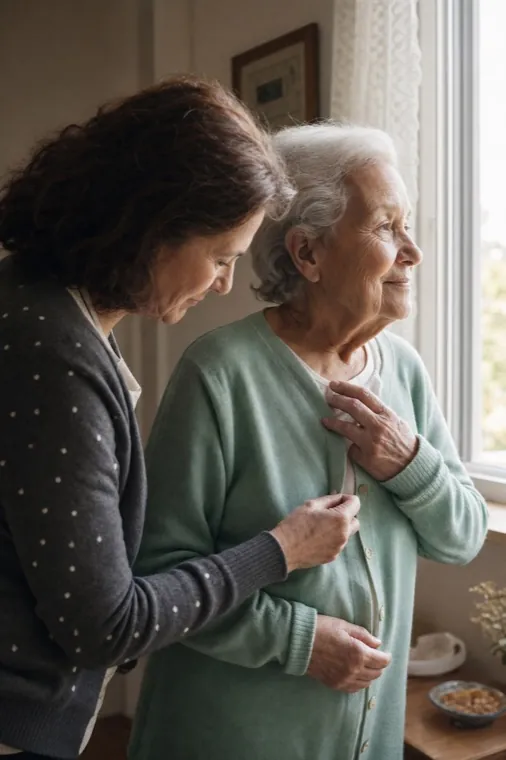
For years, a lot of aging parents are never truly alone: a spouse is in the house, noticing, helping, there if something goes wrong. When that spouse passes, the change is overnight. The same house, the same person, but now no one is there. Families often tell us this is the moment they first felt real fear, and the parent feels it too. Many say plainly: I want to stay in my home, and I want to feel safe.
What actually changed
- No one else is in the house. Before, the person in the next room would notice a fall or a bad night. Now nobody may notice until morning.
- The daily routine can slip. Meals and sleep often change after a spouse dies. Those changes are hard to see from a distance.
- The fear is specific. Many parents worry about falling and lying on the floor until someone calls.
The goal is to help your parent stay safely in their own home.
Safety without uprooting them
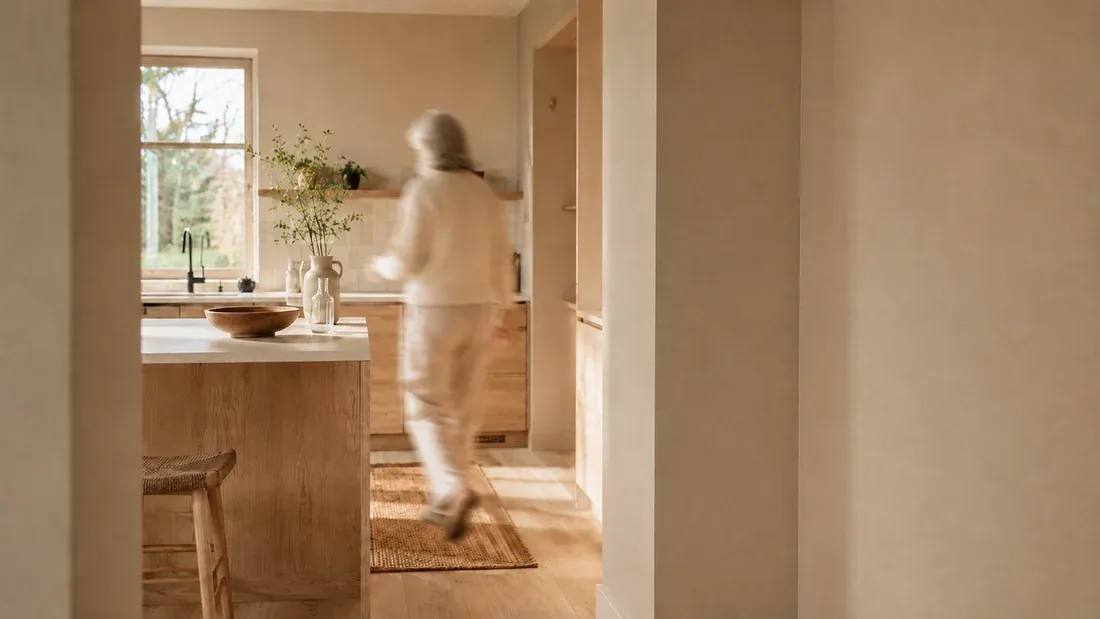
Many parents want to stay at home, and it is often the right call. A small sensor on the wall can help. If it detects a fall, your family gets an alert in the Silvie app. It also shows the daily routine, like when your parent gets up and goes to bed. There is no camera, and nothing for your parent to wear or charge.
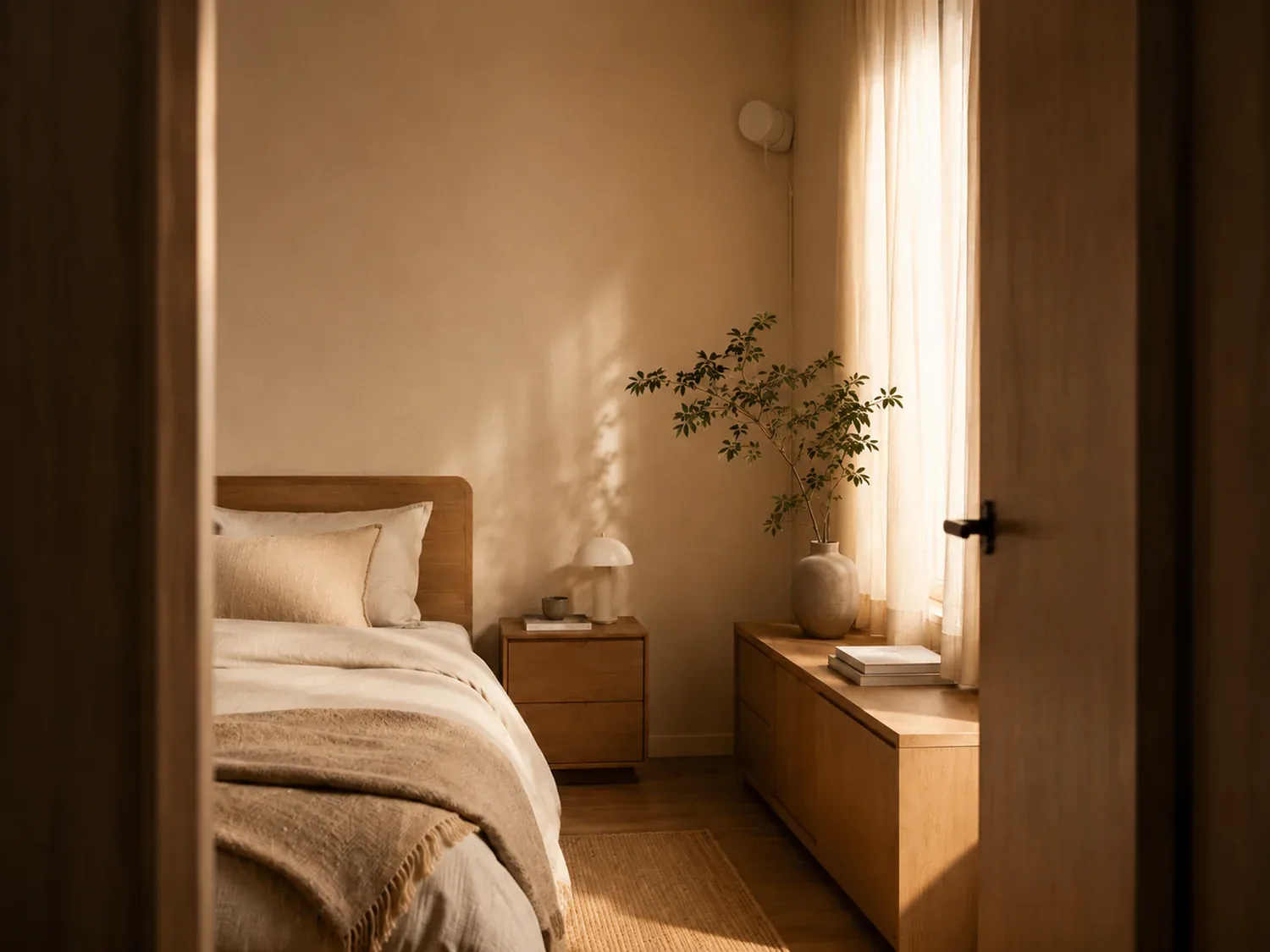
When a parent lives alone overnight
The hours you can't cover are the riskiest.
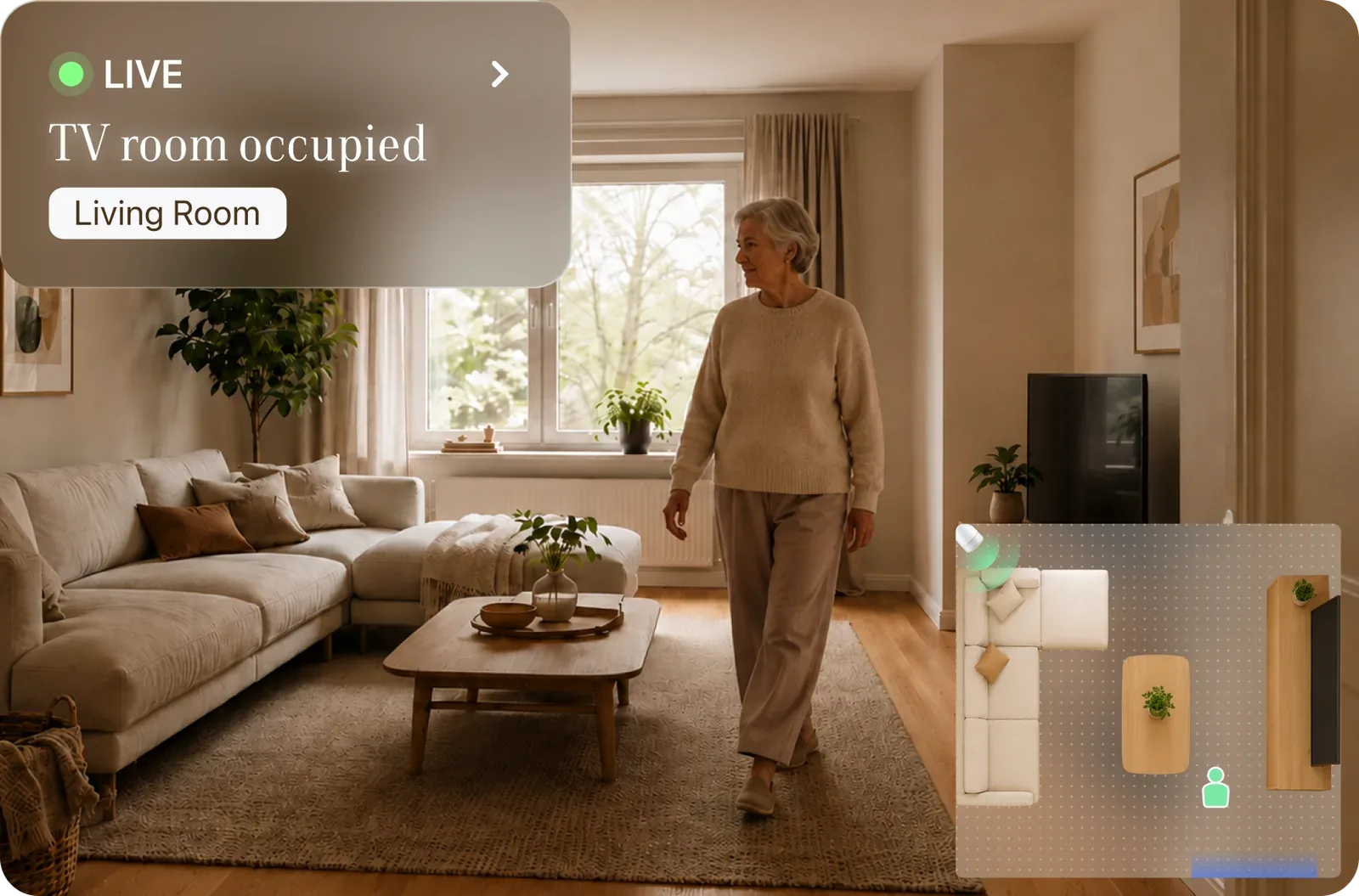
More than a fall alarm
A daily view of whether your parent is up and moving.
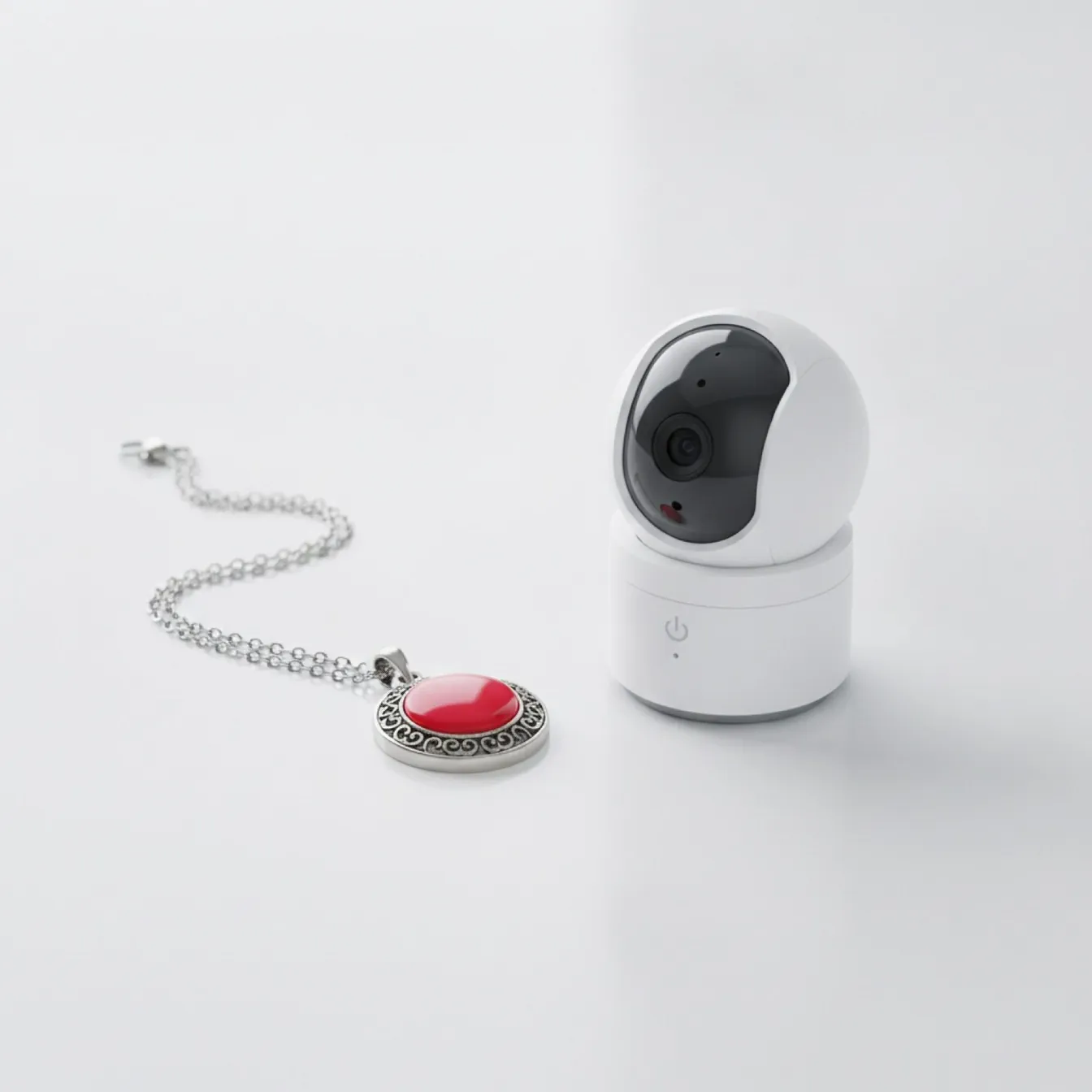
Fall detection without a camera
How radar catches a fall with nothing to wear, and where pendants and watches fall short.
What is fall detection, and how does it work?
Pendants, wearables, cameras, and radar, how each detects a fall, what happens after one, and how to choose.
See how Silvie works
A small sensor on the wall that detects falls and shows the daily routine. No camera, nothing to wear.
Explore Silvie